Call Us: +8615989235884Email: zhangjianfeng13@jianhuaintl.com
enLanguage

Stainless Steel Products

Why Choose Us


Rich Experience
Our company has many years of production work experience. The concept of customer-oriented and win-win cooperation makes the company more mature and stronger.

Product Application
Prestressed steel products are used to match the high-end structured of concrete such as railways, highways, bridges, mine, nuclear power plant, hydro-power, large-span buildings and used in producing port concrete pile, high-rise building foundation concrete pile and pier concrete pile, etc.

Competitive Price
We offering a higher-quality product or service at an equivalent price. As a result we have a growing and loyal customer base.

Our Service
Yogiant has a professional and highly experienced workforce. With years of business operation, they possess strong capability of business consultation and project design and can skillfully and quickly meet customers' packaged business requirements before sales.
After sales, Yogiant has a number of core logistics resources such as port, storage and transportation which are of favorable credits, reliable reputation and standard management. The company has formed a convenient and efficient capability of logistics control and management, providing customers with a complete solution of logistics.


What is Stainless Steel Products


A general term for daily necessities and industrial supplies made of stainless steel as the main raw material.
Stainless steel products are a general term for daily necessities and industrial products that are made of stainless steel as the main raw material.

Advantages of Stainless Steel Products
Stainless Steel Coils
Stainless Steel Pipe

Good corrosion resistance
Stainless steel contains at least 10.5% chromium, which can form a layer of chromium-rich oxide film (passivation film) on the surface to improve its corrosion resistance, especially in the atmosphere, water and other weak media.
High strength and high temperature resistance
Stainless steel can maintain excellent physical and mechanical properties at high temperatures, and its yield strength and tensile strength are usually higher than ordinary steel.
Hygienic performance and environmental protection
Stainless steel surface is smooth, not easy to adhere to bacteria and dirt, and the material is non-toxic and tasteless, in line with health standards and environmental requirements.
Easy to install and maintain
Stainless steel has good plasticity and weldability, easy to install and connect, at the same time the surface is smooth, not easy to scale, reducing the difficulty of maintenance and cleaning.
Economical
Although the initial cost of stainless steel may be higher, but its long-term use of the economy is better, can reduce the frequency of pipe maintenance and replacement, reduce the related costs.
Versatility
There are many types of stainless steel, such as 304 and 316 stainless steel, which differ in corrosion resistance, strength and cost-effectiveness for different applications.


Advantages of Stainless Steel Products
 

Good corrosion resistance
Stainless steel contains at least 10.5% chromium, which can form a layer of chromium-rich oxide film (passivation film) on the surface to improve its corrosion resistance, especially in the atmosphere, water and other weak media.


High strength and high temperature resistance
Stainless steel can maintain excellent physical and mechanical properties at high temperatures, and its yield strength and tensile strength are usually higher than ordinary steel.


Hygienic performance and environmental protection
Stainless steel surface is smooth, not easy to adhere to bacteria and dirt, and the material is non-toxic and tasteless, in line with health standards and environmental requirements.


Easy to install and maintain
Stainless steel has good plasticity and weldability, easy to install and connect, at the same time the surface is smooth, not easy to scale, reducing the difficulty of maintenance and cleaning.


Economical
Although the initial cost of stainless steel may be higher, but its long-term use of the economy is better, can reduce the frequency of pipe maintenance and replacement, reduce the related costs.


Versatility
There are many types of stainless steel, such as 304 and 316 stainless steel, which differ in corrosion resistance, strength and cost-effectiveness for different applications.


Stainless Steel Products Implementation Standards


Stainless steel products implementation standards are mainly as follows.
GB/T3280-2009 "Stainless Steel Cold-Rolled Steel Sheets and Strips": This is the executive standard for stainless steel cold-rolled steel sheets and strips, which specifies the thickness, size, chemical composition, mechanical properties and other indicators of stainless steel.
GB/T4237-2009 "stainless steel hot-rolled steel plate and strip": This is the stainless steel hot-rolled steel plate and strip of the implementation of the standard, similar to GB/T3280, the specification of stainless steel, chemical composition, mechanical properties and other indicators.
GB/T4238-2009 "heat-resistant steel plate and strip": This standard specifies the size of heat-resistant steel, chemical composition, mechanical properties and other indicators, mainly used in the manufacture of mechanical components to withstand higher temperatures.
GB/T1220-2007 "Stainless Steel Bar": This standard specifies the size, shape, chemical composition, mechanical properties and other indicators of stainless steel bar, applicable to the manufacture of various stainless steel products.
GB/T4356-2016 "stainless steel coil": This standard specifies the size, shape, chemical composition, mechanical properties and other indicators of stainless steel coil, applicable to the manufacture of various stainless steel products.


Stainless Steel Fittings


Warranty Period of Stainless Steel Products

The warranty period of stainless steel products is usually between 1 year and 5 years, depending on the type of product, manufacturer, the use of the environment and other factors.
Generally, the warranty period is 1 year to 2 years. However, some high-quality or specially treated stainless steel products may have a warranty period of up to 5 years or even longer. It is important to note that the length of the warranty period is also affected by the material, production process and the environment in which it is used; for example, a strong acidic or alkaline environment will shorten the warranty period.


Application Areas of Stainless Steel Products
 

Stainless steel products have a wide range of applications, mainly including

01/

Architectural field
Stainless steel is used for building exterior decoration, roof covering, curtain wall and interior decoration, etc. It can effectively reduce maintenance and replacement costs due to its strong weather resistance, easy cleaning and long life.

02/

Food and pharmaceutical field
Stainless steel is used in food processing equipments, brewing equipments, pharmaceutical equipments and so on because of its high corrosion resistance, easy cleaning and safety and hygiene performance.
Marine engineering , chemical , aerospace , automotive, energy, environmental protection fields. In these fields, stainless steel is used in ships, submarine pipelines, chemical reactors, reactors, aviation engines, turbine blades, automobile exterior parts, exhaust pipes, sewage treatment equipment and waste incinerators.

03/

Household goods and furniture
Stainless steel is used in kitchen utensils (such as pots and pans, cutlery and sinks), bathroom hardware (such as showerheads and faucets), as well as furniture and decorative materials.

04/

Medical field
Stainless steel is used in medical devices and equipment such as surgical instruments, dental instruments, syringes, etc. due to its antimicrobial properties and biocompatibility.

05/

Water pipes and domestic water systems
Stainless steel water pipes are used in water supply, hot water and drainage systems due to their corrosion and pressure resistance.

06/

Stadiums and public facilities
Stainless steel is used for bleachers, seating, roofing and lighting in sports stadiums, as well as for urban sculptures, signage, and public seating.


Stainless Steel Product Maintenance Methods and Processes
 
Cleaning and decontamination

Routine cleaning: Use a soft cloth or sponge dipped in neutral detergent to gently wipe the surface of stainless steel. Avoid using cleaners containing acidic or alkaline components, so as not to cause corrosion of stainless steel.
Stubborn stains treatment: For stains that are difficult to remove, you can use a special stain removal paste or polish to deal with. However, it should be noted that after the use of stain removing cream, it should be rinsed with water in time to avoid the residue causing damage to stainless steel.

Rust and corrosion prevention

Regular inspection: Regularly check the surface of stainless steel whether rust or oxidation phenomenon. If rust or oxidation is found, it should be treated in time.
Rust prevention treatment: For stainless steel surface which is easy to rust, you can apply rust preventive agent or coating to enhance its rust prevention ability.
Avoid contact with corrosive substances: Avoid contacting stainless steel with corrosive substances, such as acid and alkali. If contact is needed, appropriate protective measures should be taken.

Maintenance process

Preparation: Prepare tools and materials such as cleaner, stain remover, rust inhibitor. Make sure the tools and materials are neutral or harmless to avoid damage to stainless steel.
Cleaning and decontamination: Clean and decontaminate as described above. Be careful to clean thoroughly and leave no dead spots.
Rustproofing: For stainless steel surfaces that are prone to rust, apply rustproofing. When applying rust inhibitor or coating, apply evenly to ensure full coverage.
Daily Maintenance: During daily use, pay attention to keep the stainless steel surface dry and clean. Avoid prolonged exposure to humid environments, which may cause rusting.
Regular Inspection: Regularly check the use of stainless steel, if you find any problems or abnormal phenomena, timely treatment.

Precautions

When carrying out maintenance, make sure the tools and materials used are neutral or harmless to avoid damage to the stainless steel.
For stainless steel surfaces that are prone to rust, apply rust preventive treatment regularly. When applying rust inhibitors or coatings, apply them evenly to ensure full coverage.
During daily use, pay attention to keep the stainless steel surface dry and clean. Avoid prolonged exposure to humid environments, which may cause rusting.
If any problems or anomalies are found, they should be dealt with in a timely manner. Do not delay, so as not to enlarge the problem.


Properties of Stainless Steel Products


Weldability
Product use of different welding performance requirements are also different. A class of tableware on the welding performance is generally not required, even including some pots and pans enterprises. But the vast majority of products require good welding performance of raw materials, such as two types of tableware, insulation cups, steel pipe, water heater, water dispenser, etc.
Corrosion resistance
The vast majority of stainless steel products require good corrosion resistance, such as one or two types of tableware, kitchen utensils, water heaters, drinking fountains, etc., some foreign businessmen on the product also do corrosion resistance test: NACL aqueous solution heated to boiling, after a period of time to pour off the solution, washing and drying, weighing the loss of corrosion to determine the degree of corrosion (Note: the product is polished, due to the sandpaper or abrasive cloth or sandpaper containing the components of the Fe, which will lead to the test) Rust spots will appear on the surface during the test)
Polishing performance (BQ)
At present, stainless steel products in the production of general polishing process, only a few products such as water heaters, drinking fountains do not need to polish the inner liner. Therefore, this requires good polishing performance of raw materials. Factors affecting the polishing performance are mainly the following: ① Raw material surface defects.
① Raw material surface defects. Such as scratches, pitting, over pickling and so on.
② Raw material material problems. Hardness is too low, polishing is not easy to throw bright (BQ is not good), and the hardness is too low, in the deep drawing surface is prone to orange peel phenomenon, thus affecting the BQ. High hardness BQ is relatively good.
③ After deep drawing products, the deformation amount of the surface of the region will also be out of small black spots and RIDGING, thus affecting the BQ sex.


Common Inspection Items of Stainless Steel Products


Appearance inspection
The surface of stainless steel products should be smooth, flat, no uneven marks, cracks, wrinkles, bubbles, scars and other defects, the surface color should be uniform, no oil, rust and scratches. Appearance inspection is an important means to ensure the quality of stainless steel product appearance.


Dimensional inspection
Size inspection is an important part of product quality control of stainless steel. The main inspection items include diameter, wall thickness, length, weight, flatness, perpendicularity, roundness, aperture, inclination and so on. Through the size inspection, you can check whether the product meets the relevant standards and technical requirements.


Chemical composition analysis
Stainless steel is an alloy material composed of iron, chromium, nickel and other elements. Chemical composition analysis is one of the important methods to check the quality of stainless steel products. Common elemental analysis methods include spectral analysis, inductively coupled plasma emission spectrometry, electrode ablation atomic absorption spectrometry and so on.


Mechanical performance test
Mechanical properties are one of the important indicators of stainless steel product quality. The main content of mechanical property test includes tensile strength, yield strength, elongation at break and so on. Through the mechanical property test, it can check whether the strength and toughness of the product meets the standard and technical requirements.


Passivation performance test
Passivation is one of the important methods of stainless steel corrosion prevention. The passivation performance test of stainless steel products is an important link to ensure its corrosion resistance. Common passivation performance test items include salt spray resistance, acid resistance, alkali resistance and so on.


Hardness test
Hardness is one of the important indicators of stainless steel product quality. Common hardness test methods include Brinell hardness, Vickers hardness, Rockwell hardness and so on. Through the hardness test, you can understand the hardness level of the product, its application area and service life.


Our Factory


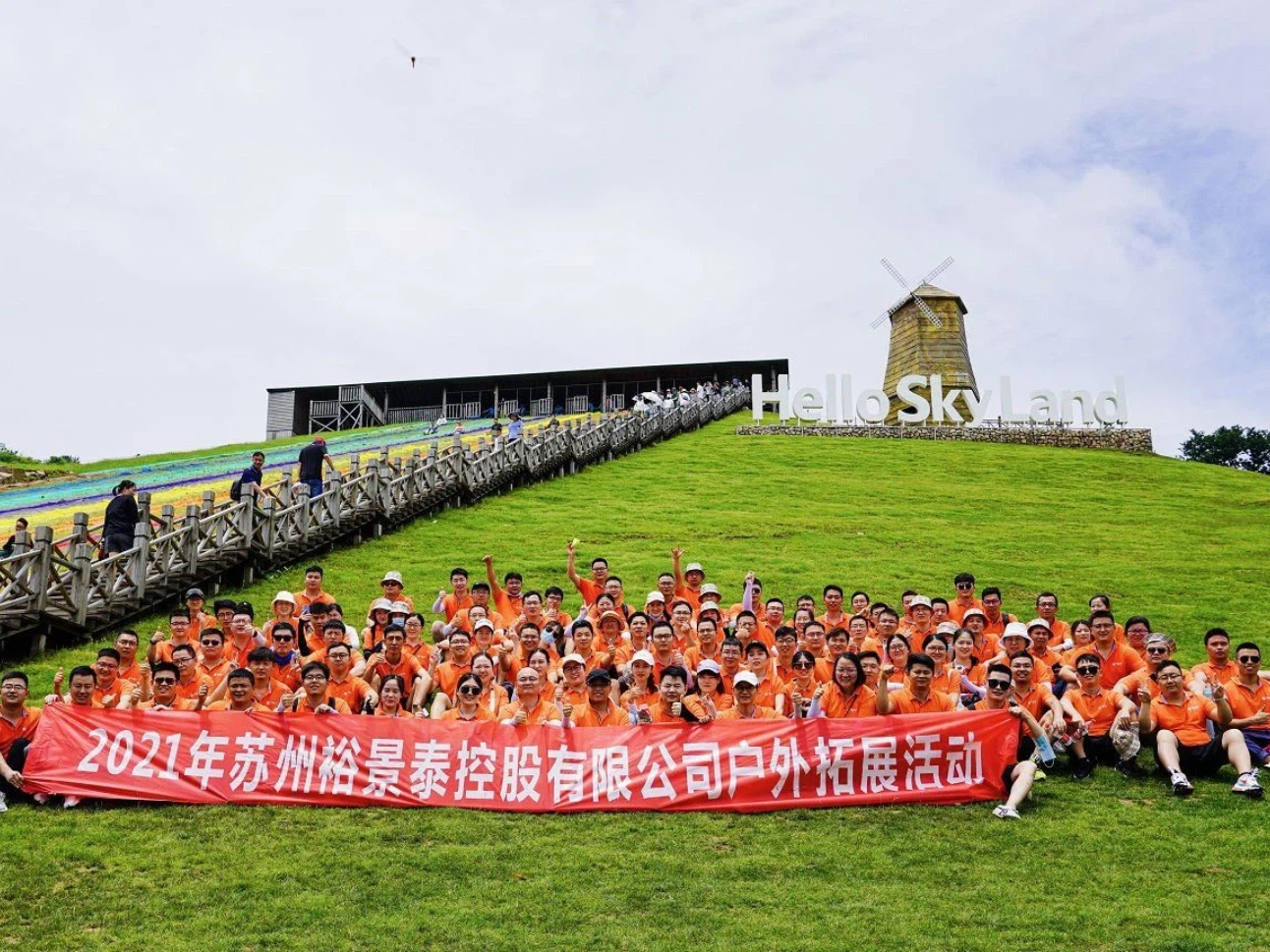
Suzhou Yogiant Holdings Company Limited, was founded on May 26th, 2015, with the registered capital (actual subscription) of 159 million yuan. Yogiant specializes in the international and domestic trade of steel, construction materials, machinery and equipment, with great business range covering steel products, special equipment and accessories for concrete pile industry and concrete products. With the development of three years, Suzhou Yogiant has gradually built its well-established service networks in Shanghai, Guangdong, Zhejiang, Shandong, Jiangsu, Tianjin and Hebei, and also has set up the overseas service networks in Hong Kong, Ho Chi Minh and Jakarta. Suzhou Yogiant has adhered to its business philosophy of "honest operation, mutual benefit and win-win cooperation" and advocated the idea of "regarding suppliers as source, employees-oriented and customers go first" since its foundation in 2015. Yogiant would like to make full use of its advantages in resources, capital and creditability, and continuously develop new business areas, and sincerely provide customers with quality products and services.
Be professional at work, and be grateful in life. Suzhou Yogiant always follows this principle and keeps pace of the times. The "partnership" mechanism is adopted in Yogiant's recruitment to attract more talented people, which also clearly demonstrates its core value of "co-building, sharing and win-win cooperation". Yogiant is dedicated to setting up an excellent platform for comprehensive trade and service, thereby creating more value for its customers, suppliers, employees and shareholders.

productcate-1292-969


Certificate
 

productcate-1-1

productcate-1-1

productcate-1-1

productcate-1-1


FAQ
 

Q: Which products are made of stainless steel?

A: Utensils such as knives are made using less ductile stainless steel. The more ductile grades are used to make grills, cookware, pans and sinks. Stainless steel is also used to make freezers, dishwashers, refrigerators and countertops.

Q: Why is stainless steel corrosion resistant?

A: Stainless steel has a chromium-rich oxide film (protective film) on its surface that prevents oxygen atoms from penetrating and oxidizing, thus gaining resistance to rust and corrosion.

Q: What types of stainless steel are there?

A: Common types of stainless steel include austenitic stainless steel (e.g. 304), ferritic stainless steel, martensitic stainless steel and duplex stainless steel.

Q: Does stainless steel react with any substances?

A: One of the most common situations where stainless steel corrodes is in constant contact with liquids or chemicals. This type is known as total corrosion and is usually uniform across the surface of the steel. Fortunately, most stainless steels will react to a range of chemicals in a predictable manner.

Q: How do I care for my stainless steel products?

A: Avoid contact with corrosive substances and clean regularly, using a soft cloth and mild detergent.

Q: Can stainless steel rust?

A: Although stainless steel is resistant to corrosion, it can rust in certain environments, such as those containing chloride ions.

Q: Can stainless steel products be welded?

A: Yes, stainless steel products can be welded by a variety of welding methods including TIG, MIG and SMAW.

Q: How are stainless steel products cut?

A: They can be cut using equipment such as saws, laser cutters, and plasma cutters.

Q: What do I need to pay attention to when processing stainless steel products?

A: Avoid the use of chlorine-containing coolant to prevent contamination of the processing area.

Q: What is the price of stainless steel products?

A: Prices vary depending on the type of material, thickness, size and process.

Q: What are the surface treatments for stainless steel products?

A: These include polishing, sandblasting, etching, and sandblasting.

Q: How magnetic are stainless steel products?

A: Austenitic stainless steels are usually non-magnetic, while ferritic and martensitic stainless steels are magnetic.

Q: Can stainless steel products be used in the food industry?

A: Yes, food grade stainless steels such as 304 and 316 are widely used in food manufacturing and processing equipment.

Q: Can stainless steel products be used in outdoor environments?

A: Yes, but it is necessary to choose the right material and surface treatment for the specific environment.

Q: Can stainless steel products be recycled?

A: Yes, stainless steel is a recyclable material.

Q: How is the weight of a stainless steel product calculated?

A: It can be calculated by density and volume, the density of different types of stainless steel varies slightly.

Q: What are the dimensional tolerances of stainless steel products?

A: Tolerances vary depending on the type of product, standard and manufacturing process, you need to refer to the relevant standards.

Q: What is the strength of stainless steel products?

A: The strength of stainless steel varies according to the type and heat treatment process, usually with high yield strength and tensile strength.

Q: How is the hardness of stainless steel products?

A: The hardness of stainless steel can be measured by Rockwell, Brinell or Vickers hardness test.

Q: How to distinguish between stainless steel and ordinary steel?

A: It can be distinguished by observing the color, luster, magnetism, chemical composition and other methods.

We're well-known as one of the leading stainless steel products manufacturers and suppliers in China. Please feel free to buy high quality stainless steel products in stock here from our factory. Contact us for quotation.

ss stainless steel rectangular pipe, TSINGSHAN STEEL COIL, stainless coil pipe tubing

(0/10)

clearall