Q: What Is the Most Common Structural Steel?
A: Carbon steel is the most commonly used structural steel in the market today, largely due to its many beneficial properties, such as its affordability and strength. Carbon steel is more common than high strength low alloy steel, which is also frequently used due to its versatility.
Q: Is Rebar Structural Steel?
A: Rebar (or reinforcing bar), also referred to as reinforcing steel, differs from structural steel. Rebar is used to reinforce or support concrete and masonry, while structural steel serves as the frame of a structure, for example.
Q: How Strong Is Structural Steel?
A: Structural steel is considered to be similar in strength to reinforced concrete. Its tensile strength sits in the range of 400 to 500 MegaPascals (MPa). This value determines how much pressure it takes before structural steel reaches a point of material failure.
Q: What Is the Difference Between Reinforcement Steel and Structural Steel?
A: Reinforcement steel, or rebar, is used with concrete and masonry solely for support. Alternatively, structural steel is used by itself and serves as the frame of structures. Unlike reinforcement steel, structural steel must conform to higher standards and regulations, and comes in more sizes.
Q: What Is the Strongest Beam Shape?
A: The I-beam is considered the strongest beam shape for structural steel. These are intended to resist bending and are capable of bearing heavy loads. Vertical strips of metal across the flanges place the greatest depth of material on the plane of stress, preventing twisting.
Q: How Does Carbon Content Effect Steel?
A: Carbon content is directly proportional to the strength of steel. The more carbon is added, the stronger the steel is. But this also makes the steel more brittle, which reduces its weldability. The right mixture of steel and carbon is much better than just increasing carbon content to harden the steel.
Q: Is Steel Stronger Than Concrete?
A: Yes, generally speaking, steel is much stronger than concrete. Although reinforced concrete (with rebar/reinforcement steel) is on par with structural steel, concrete alone is not. Concrete has a tensile strength of just 70MPa, while structural steel sits at 400 to 500MPa.
Q: What are structural steel types?
A: The most common types of structural steel include Carbon steel, High-Strength Low-Alloy Steel, Forged Steel, and Quenched And Tempered Alloy steel. Structural steel is a type of steel that is specifically designed for use in the construction of load-bearing structures.
Q: What Is Steel Fabrication?
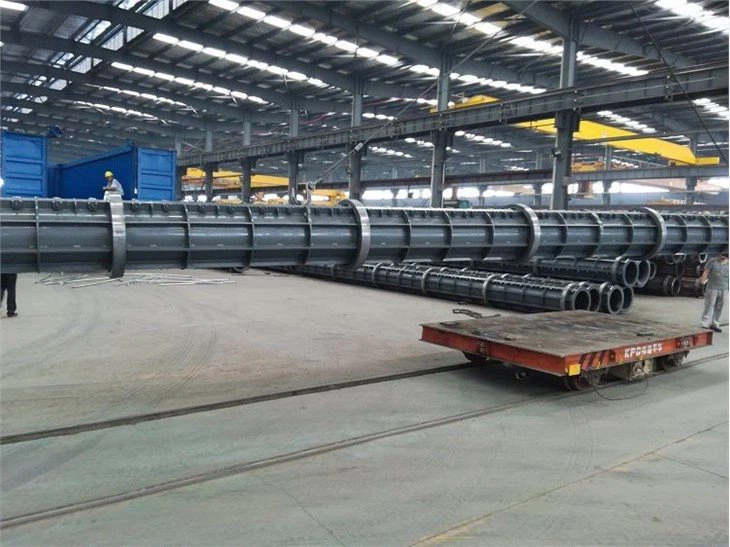
A: Steel fabrication, or structural steel fabrication, is a construction process used in many industries by which steel components are used to create large, permanent structures. Structures can include buildings, bridges, and even cars. During the process of structural steel fabrication, steel is cut and shaped for practical uses. Steel is also assembled through the use of skilled workers to finish the final product.
Q: How Does Steel Fabrication Benefit the Construction Industry?
A: The construction industry sees many benefits to using this method. One of the main benefits is that the structures that are constructed this way are very strong and durable. This is why this method is often used for structures that will need to endure heavy weights or bad weather conditions. Steel is also a very versatile building material. This ensures that the steel can be shaped and used for a multitude of different types of purposes. It can be surprisingly flexible, so this makes for a large window of creativity in design as well. Most structural steel is also easy to assemble. This is a benefit because workers can be trained quickly to assist with construction projects.
Q: What Structures Use Steel?
A: This type of material can use on a huge spectrum of structures. These can include bridges, stadiums, amusement park rides, buildings, and more. Basically, any building that is in need of flexibility and durability will benefit from steel.
Q: How Is Steel Fabricated?
A: There are many steps involved in the fabrication of structural steel. The first step is usually the cutting of the steel. This involves precise machinery. Shaping is also an important step in the process as well. Shaping is often done with heat. Assembling the steel components is carried out by workers who have been trained in steel manufacturing and assembly.
Q: What are the different types of steel used in structural steel fabrication?
A: There are several different types of steel that are commonly used in structural steel fabrication. Some of the most common types include carbon steel, stainless steel, and alloy steel. Each type of steel has its own unique properties and characteristics, which make it suitable for different types of construction projects.
Q: What factors should be considered when choosing a structural steel fabricator?
A: When choosing a structural steel fabricator, there are several factors to consider. These include the fabricator’s experience and expertise, their reputation in the industry, their level of customer service, and their pricing. It is also important to choose a fabricator who uses high-quality materials and who has experience following industry standards and regulations.
Q: What are some common challenges in structural steel fabrication?
A: There are several common challenges that can arise during the structural steel fabrication process. These can include issues with accuracy and precision during the cutting and shaping process, difficulties with welding or bolting components together, and challenges related to transportation and installation. It is important to work with an experienced and skilled fabricator who can anticipate and address these challenges to ensure a successful, on-time construction project.
Q: How long does the structural steel fabrication process take?
A: The length of the structural steel fabrication process can vary depending on the size and complexity of the project. Generally, smaller and simpler projects will take less time to fabricate than larger and more complex ones. It is important to work with a fabricator who can provide a detailed timeline and schedule for the fabrication process to ensure that the project is completed on time and within your budget.
Q: What is structural steel fabrication?
A: Structural steel fabrication is the process of manufacturing steel components that are used in the construction of buildings, bridges, and other structures. The process involves cutting, shaping, and assembling heavy-duty steel components to create a final product that can be used in construction.
Q: What are the benefits of using structural steel in construction?
A: There are many benefits to using structural steel in construction. Steel is incredibly strong and durable, making it an ideal material for building structures that need to withstand heavy loads or harsh weather conditions. Additionally, steel is a versatile material that can be fabricated into a wide variety of shapes and sizes, allowing for greater flexibility and creativity in the design of a building. Structural steel is also easy to assemble and install, which can save time and money during the construction process. Finally, steel is a sustainable material that is 100% recyclable, making it an environmentally-friendly choice for large construction projects.
Q: What types of structures can be built using structural steel?
A: Structural steel fabrication can be used to build a wide variety of structures, including buildings, bridges, stadiums, and even roller coasters. Any structure that requires strength, durability, and flexibility can benefit from the use of structural steel.
Q: What precautions to take with structural steel projects?
A: Corrosion - Structures that are exposed to harsh climatic conditions, like marine projects, require corrosion resistant alloys. However, other structures may also be vulnerable to corrosion. You should check whether the structure needs to be treated against corrosion with paint or other products.
Fire Resistant - Steel doesn't easily catch on fire, making it a safe choice. However other materials within the building may result in fires. Very high temperatures caused by fires can weaken steel, causing it to soften and buckle. For this reason it's advisable to insulate steel used in the structure against heat damage.